+86 151 8877 6668
+86 151 8877 6668
Aug. 03, 2026
As an agriculture professional, I understand the critical need for sustainable farming practices. If you're looking for efficient ways to reduce water usage while maximizing crop yield, implementing micro sprinklers could be your game changer. In this article, I will guide you through actionable steps on how micro sprinklers improve water efficiency in agriculture, helping you tackle water scarcity challenges effectively.
Micro sprinklers are innovative irrigation devices that distribute water directly to the base of plants. This targeted application ensures minimal waste and maximum absorption, making it ideal for various agricultural settings. One significant advantage of micro sprinklers is their ability to deliver water in finer droplets, which is proven to enhance soil moisture retention and reduce evaporation losses.
Evaluate Your Water Needs
Begin by assessing the specific water requirements of your crops. Utilizing soil moisture sensors can help quantify how much water your soil retains and when it needs irrigation.
Select the Right Micro Sprinkler System
Choose a micro sprinkler system that suits your crop type. For instance, a system with adjustable depth and flow rates will allow you to customize water delivery precisely. Consider reputable brands like Runnong, which provide high-quality options.
Design the Layout
Design your micro sprinkler layout based on plant spacing and water distribution needs. A well-planned configuration can ensure uniform coverage, preventing overwatering in some areas while leaving others dry. Aim for an overlap zone of about 30% between the sprinklers for optimum effectiveness.
Installation
Install your micro sprinkler system according to the manufacturer's guidelines. Ensure that the emitters are positioned correctly for targeted watering. Given that installation varies across systems, consulting specific guides or visual aids can streamline the process.
Monitor and Adjust
Once your micro sprinklers are operational, monitor their performance. Look for any clogged emitters or uneven water distribution. Adjust flow rates as necessary to maintain efficiency, striving for a loss of less than 10%—a benchmark established by irrigation efficiency standards such as ASTM.
Regular Maintenance
To ensure long-term reliability, perform routine maintenance. This includes cleaning filters, checking for leaks, and ensuring emitters function correctly. Keeping your system in optimal condition can significantly extend its lifespan.
Implementing micro sprinklers does not come without challenges. Initial costs might seem high, and installing a new system can be resource-intensive. Additionally, variable terrain may impede consistent water distribution. However, these issues can be overcome by:
To further improve execution efficiency, consider using soil moisture sensors connected to your micro sprinklers. This technology can automate watering based on soil conditions, ensuring that your crops receive the precise amount of water they need, thus enhancing water efficiency further.
Incorporating micro sprinklers into your irrigation strategy can significantly enhance water efficiency in agriculture. By following these straightforward steps—from evaluating water needs to maintaining your system—you're not just adopting a more sustainable approach; you're actively tackling the pressing issue of water scarcity in agriculture.
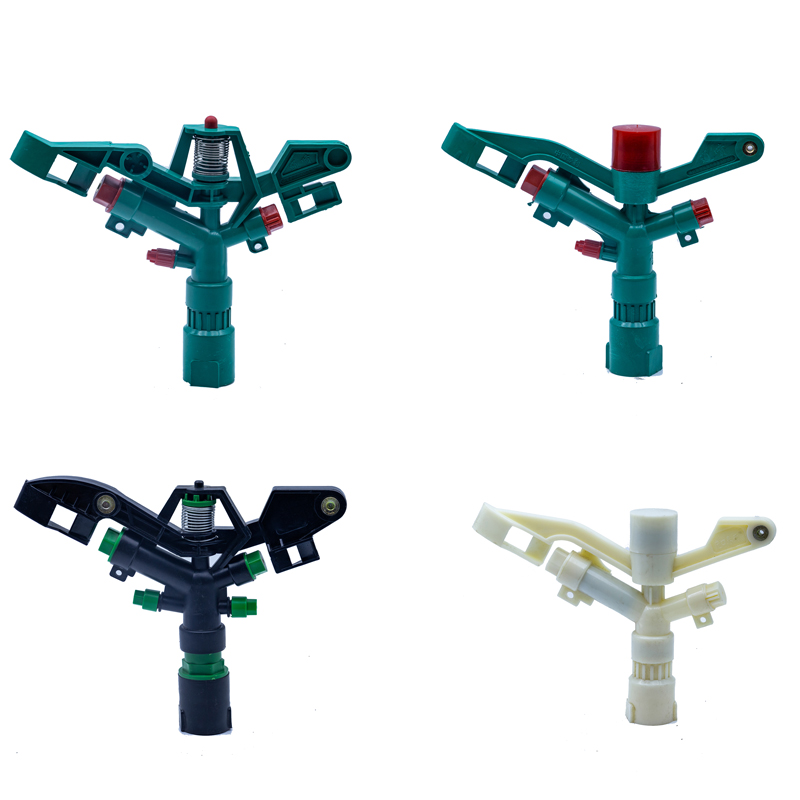
Reflecting on the steps we've discussed, I encourage you to take immediate action. The benefits of implementing micro sprinklers—such as reduced water usage, increased crop yield, and lower operational costs—are too significant to overlook. If you're ready to make a change, start planning your micro sprinkler system today and experience the substantial difference it can make to your agricultural practices. For additional resources, check out this image outlining the components of a micro sprinkler system.
By investing in micro sprinklers, you're not just improving your farming practices; you're contributing to a sustainable agricultural future. Let’s nurture our crops while conserving one of our planet's most precious resources—water.
Hot Products
Hot Products
We Are Ready To Serve You
Talk to our experts and we can help you meet all template requirements from scratch. Let us provide assistance for your next project.
Navigation
Navigation
Contact Us
Tel.: +86 151 8877 6668
E-mail: rn-lqh@baodingrunnong.com
WhatsApp: +86 151 8877 6668
WeChat: +86 151 8877 6668
Add.: Pangkou Industrial Zone, Gaoyang County, Baoding City, Hebei Province
Send in Inquiry
Send in Inquiry