+86 151 8877 6668
+86 151 8877 6668
May. 07, 2026
If you’re looking to optimize your irrigation system and ensure that every drop of water counts, understanding how a drip irrigation filter works is essential. In this article, I will guide you through this process with clear, actionable steps to help you implement a filter system that maximizes efficiency while minimizing common problems such as clogging. By the end of this guide, you'll have a deep understanding of filters in drip irrigation systems, enabling you to enhance crop performance and conserve water effectively.
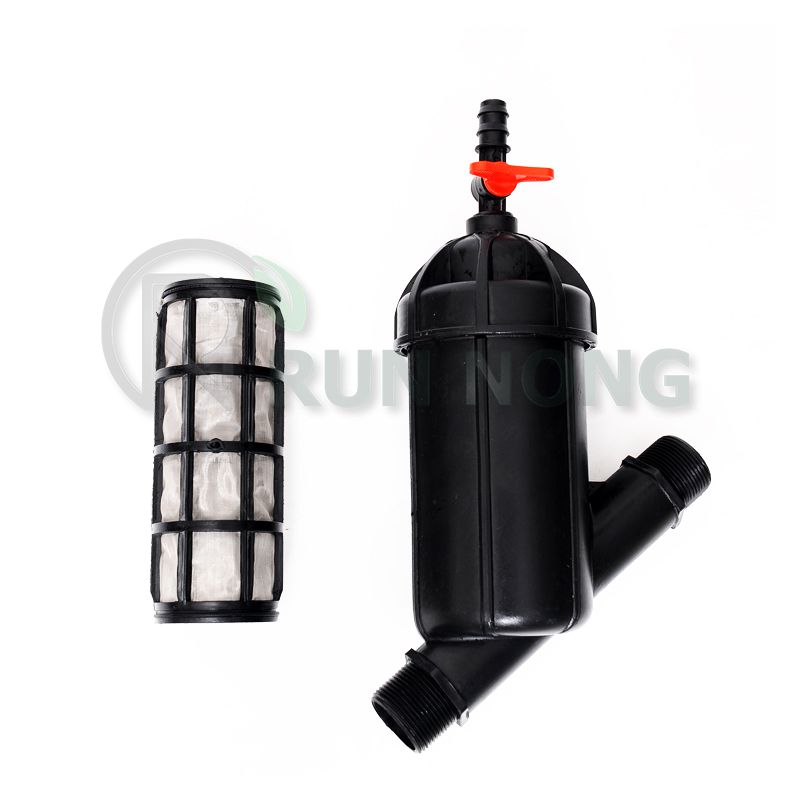
Drip irrigation filters play a crucial role in maintaining the efficiency of your irrigation system. Essentially, these filters remove potential contaminants from the water supply, ensuring that your drip system operates smoothly. Contaminants could include soil particles, algae, and other debris that may clog emitters and affect the uniformity of your irrigation.
To give you an idea of their importance, a properly functioning filter can maintain emitter precision to as small as 0.01 mm, ensuring that each plant receives just the right amount of water it needs.
Select the Right Type of Filter Begin by choosing the appropriate filter for your system. The most common types used in drip irrigation are:
Determine Filtration Requirements Assess the quality of your water. Many industries rely on standards such as ASTM D4241 for water quality to ensure adequate filtration. Knowing the degree of filtering needed will guide your choice of filter.
Install the Filter Proper installation is crucial. Follow these steps:
Regular Maintenance and Monitoring To keep your filter functioning optimally:
Address Common Challenges Here are potential challenges you might encounter and solutions to overcome them:
To enhance your installation and maintenance process, I recommend the following tools:
Also, for more comprehensive insights into optimal practices and products, visit BDN Irrigation.
Implementing a drip irrigation filter is a proactive step towards efficient water management. By following these clear steps, you can ensure your irrigation system operates at its best, allowing for precise watering of crops while conserving resources. If you haven’t already, start with selecting the right filter, keeping your system well-maintained, and monitoring its performance regularly. Don’t wait—take these actions today to enhance your irrigation efficiency and witness real-world results in your crop yields.
Hot Products
Hot Products
We Are Ready To Serve You
Talk to our experts and we can help you meet all template requirements from scratch. Let us provide assistance for your next project.
Navigation
Navigation
Contact Us
Tel.: +86 151 8877 6668
E-mail: rn-lqh@baodingrunnong.com
WhatsApp: +86 151 8877 6668
WeChat: +86 151 8877 6668
Add.: Pangkou Industrial Zone, Gaoyang County, Baoding City, Hebei Province
Send in Inquiry
Send in Inquiry