+86 151 8877 6668
+86 151 8877 6668
May. 13, 2026
Drip Irrigation Filters are essential components of a modern irrigation system that optimize water usage, ensuring that each plant receives the right amount of water without wastage. These filters serve to remove contaminants, sediments, and other particles from water before it reaches the drip emitters, enhancing the system's efficiency and longevity. For businesses in agriculture, utilizing high-quality drip irrigation filters can significantly improve crop yields while conserving water resources, making them invaluable for sustainable farming practices.
The concept of drip irrigation originated in the mid-20th century as a response to the increasing global need for efficient water management in agriculture. Farmers in Israel were at the forefront, developing techniques that would ensure precise water application directly to the root zone of plants. Over the years, advancements in technology and materials have led to the evolution of drip irrigation filters, which play a crucial role in ensuring the integrity and performance of irrigation systems.
The practical applications of drip irrigation filters are far-reaching. They are particularly significant in areas where water quality is a concern—regions with high sediment content or where waterborne pathogens may be present, such as in agricultural operations of various scales. By filtering out these impurities, farmers can prevent clogging of emitters, maintain uniform water distribution, and ultimately, yield healthier crops. Some studies indicate that proper filtration can increase water use efficiency by as much as 30%, demonstrating its substantial economic value to agricultural businesses.
Despite their importance, several misconceptions surround drip irrigation filters. One common misunderstanding is that all filters provide the same level of protection; however, not all filters are created equal. The choice of the filter must be based on the specific contaminants present in the water and the requirements of the irrigation system. Another error pertains to maintenance; many users overlook regular filter cleaning, which can lead to reduced efficiency and compromised system performance. Understanding the specific filtration needs based on water quality and system specifications is pivotal in maximizing the effectiveness of drip irrigation filters.
To illustrate, consider a vineyard that implemented a drip irrigation system with high-grade filtration—specifically designed to meet ASTM standards for water quality. By investing in premium filters, the vineyard reduced sediment accumulation by 95%, resulting in healthier vines and a 20% increase in grape yield over two growing seasons. Similarly, a vegetable farm with high biological activity in its water source saw a 40% decrease in emitter clogging and a 15% boost in overall productivity after switching to appropriate drip irrigation filters.
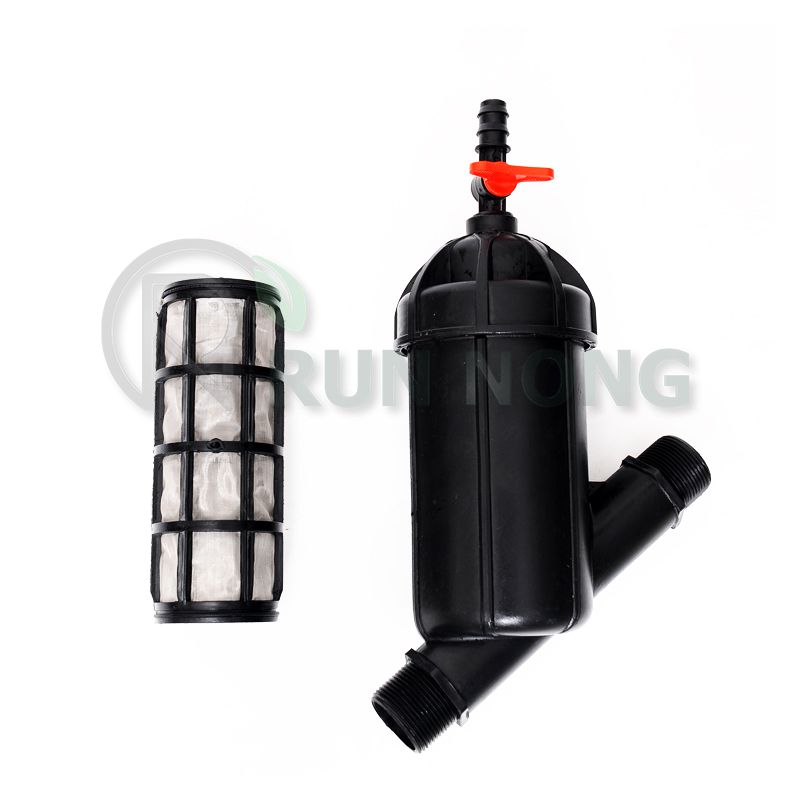
In summary, drip irrigation filters are a critical yet often overlooked aspect of efficient irrigation systems. They play a crucial role in ensuring clean water reaches crops, enhancing overall agricultural productivity. By dispelling common misconceptions and understanding their practical benefits, growers can make informed decisions about their irrigation practices. To learn more about how drip irrigation filters can optimize your farming operations, consider exploring resources or consulting experts in the field. For visual reference, you can check this image here. Embrace the efficiency that drip irrigation filters can bring to your agricultural endeavors today!
Hot Products
Hot Products
We Are Ready To Serve You
Talk to our experts and we can help you meet all template requirements from scratch. Let us provide assistance for your next project.
Navigation
Navigation
Contact Us
Tel.: +86 151 8877 6668
E-mail: rn-lqh@baodingrunnong.com
WhatsApp: +86 151 8877 6668
WeChat: +86 151 8877 6668
Add.: Pangkou Industrial Zone, Gaoyang County, Baoding City, Hebei Province
Send in Inquiry
Send in Inquiry