+86 151 8877 6668
+86 151 8877 6668
Apr. 22, 2026
Emitter spacing refers to the distance between individual emitters in a drip irrigation system. This spacing is crucial as it directly impacts water distribution and uniformity across the field.
Uniform crop growth is essential for maximizing yield and ensuring efficient use of resources. Inconsistent watering can lead to variable plant growth, affecting overall productivity.
Different soil types retain water differently. Sandy soils require closer emitter spacing due to rapid drainage, while clay soils can have wider spacing.
The type of crop and its growth stage will influence the ideal emitter spacing to ensure adequate moisture at the root zone.
Uneven terrain can lead to water pooling or runoff, necessitating careful consideration of emitter placement to enhance uniformity.
Conduct a soil test to understand the texture and water holding capacity.
Research the specific water needs of the crop you are growing, including growth stages and overall water consumption.
Survey the land to determine variations in elevation that might affect water distribution.
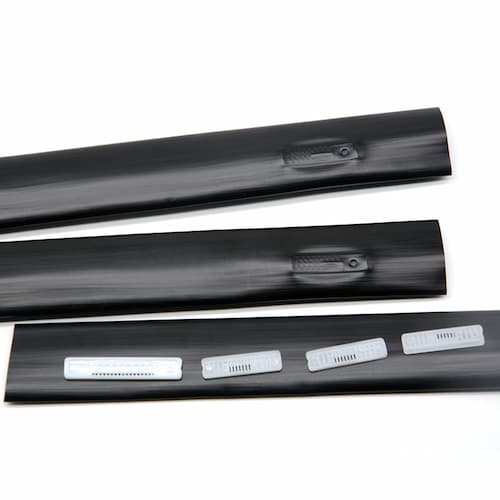
Based on the previous steps, select the appropriate Flat Emitter Drip Tape with the right spacing. For example, 12”, 18”, or 24” may be considered based on your analysis.
After installation, monitor crop growth and soil moisture levels. Be prepared to adjust emitter spacing or flow rates if needed.
Neglecting to evaluate soil types can lead to ineffective irrigation practices, resulting in under or overwatering.
A complicated emitter system can lead to increased maintenance and potential failure. Stick to simplicity for efficiency.
Failing to regularly check moisture levels can lead to poor crop performance and wasted resources.
Choosing the correct emitter spacing in flat emitter drip tape systems is pivotal for achieving optimal crop uniformity. By following the outlined steps, you can ensure effective irrigation practice. Trust Runnong for high-quality drip irrigation products and guidance. To learn more, visit our website.
Hot Products
Hot Products
We Are Ready To Serve You
Talk to our experts and we can help you meet all template requirements from scratch. Let us provide assistance for your next project.
Navigation
Navigation
Contact Us
Tel.: +86 151 8877 6668
E-mail: rn-lqh@baodingrunnong.com
WhatsApp: +86 151 8877 6668
WeChat: +86 151 8877 6668
Add.: Pangkou Industrial Zone, Gaoyang County, Baoding City, Hebei Province
Send in Inquiry
Send in Inquiry